Perhaps our contemporary attention age with its two-edged ‘sword’ of AI is yet another ‘messy middle’ that poses a riddle:…
-
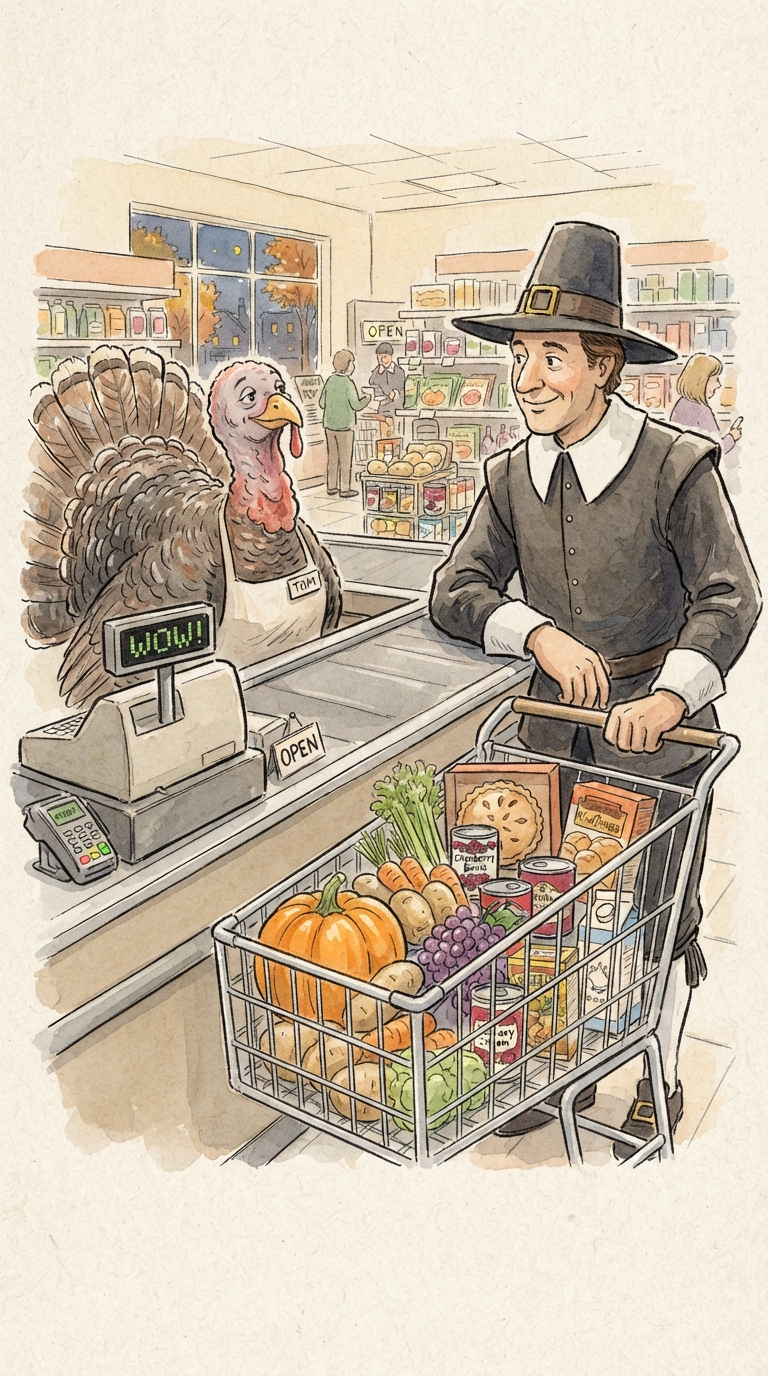
My holiday reimaginings for 2026 [Click image to view full-size version] ⭐
Posts List
-
Fake gift card surveys. I’ve seen more of these scams the last month or two. The email messages claimed to be from Amazon with “Amazon Coupons” as the subject. Examination of the messages revealed sender addresses having nothing to do with Amazon. Like from amazon@someothersite.com. Encoded (indecipherable) links in the bodies of the messages went to strange sites. Message bodies contained gibberish. These survey scams appear on social media sites…
-
Fake order confirmations. I’ve seen a lot of these the last couple of weeks. Particularly repeated email messages claiming to be from Costco (Walgreens, etc.) with “Order Confirmation” as the subject. Of course, I never placed any such order(s). Examination of the messages (without actually opening them in an email app) revealed various sender addresses having nothing to do with Costco. Links in the bodies of the messages went to…
-
PC World’s September 30, 2014, “Free is good: No-cost Panda Software tops AV-Test’s rankings of antivirus software” article summarized rankings for antivirus software by AV-test.org and AV-comparatives.org. Antivirus suites are only as good as their latest tests. And in AV-test.org’s latest roundup for July and August, the usual suspects—BitDefender, Kaspersky, McAfee, and Symantec—came out on top. There are two major [independent] test houses that periodically evaluate major antivirus suites and…
-
So, you’re careful when looking at your email inbox’s message list. You delete messages from strangers. You delete obvious promotions and ads. Yet, some messages appear okay. You open those messages. Here’re some things to check, as noted in a recent PC World “Three warning signs that email is malicious” article: 1. Dear customer 2. That link is crazy 3. It has an attachment I see “Dear” spam every week.…
-
So, one day you’re really busy. You get an unsolicited call from someone claiming they’re “Microsoft Support” or a company associated with Microsoft or your PC manufacturer (like Dell or HP). They claim that there’s a problem with your PC: “Your PC is infected!” They use technical terms. They’ll help. They ask you to use the mouse or keyboard to do some things on your PC. You’re asked to give…